Beginner's Guide to Dry Fly Fishing: 6 Steps to Success
Dry fly fishing is one of the most exciting and visual ways to catch fish. Watching a trout rise to the surface and smash a dry fly is an unmatched experience. To help anglers succeed, a comprehensive six-step framework makes dry fly fishing approachable and effective.

Step 1: Watch and Wait
When you arrive at the river, your natural reaction might be to rush in and start casting immediately. However, you must first watch and wait to observe what the trout are actually eating. Take time to look around, check what bugs are on the water, and see how the fish are rising, which will tell you whether you need a dry fly or an emerger.
Step 2: Pick the Right Fly
Choosing the right fly requires considering two main factors:
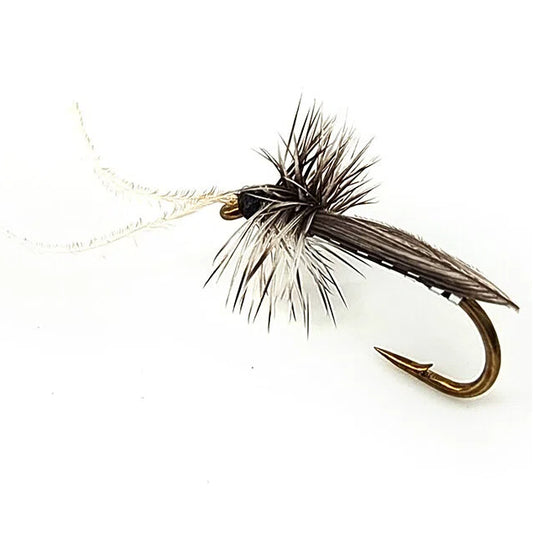
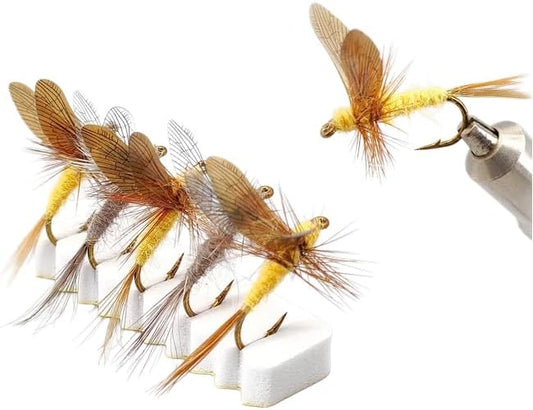
- Emerger vs. Dun: Emergers are aquatic insects transitioning from the bottom to the surface film, creating a soft, subtle rise where only dorsal and tail fins break the water. Duns are fully formed adult insects with wings, and trout rising to duns typically break the surface with their entire head in a much splashier, louder rise.
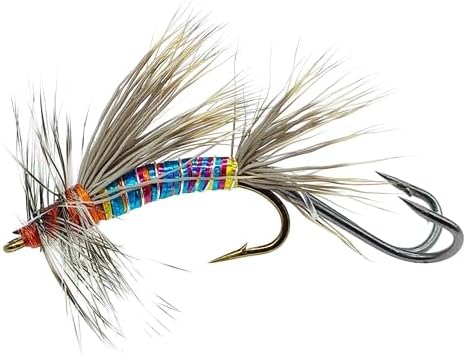
- The Right Fly Formula: This formula helps you pick a fly based on three criteria listed in order of importance: size, shape, and color.
Step 3: Perfect Your Presentation and Eliminate Drag
Even the right fly will fail if it shoots across the water looking like a jet ski. Presentation is critical:
- Make your bug look as real as possible by drifting in the same current where fish are feeding.
- Eliminate drag entirely, which happens when your fly and leader are in different currents and cause a wake behind the fly.
- Pay attention to "micro drag" caused by your tippet; if trout keep refusing your fly, sizing down your tippet (e.g., from 4X to 5X, or 5X to 6X) will improve your presentation.
Step 4: Work Close to Far
When fishing dry flies, avoid casting all the way across the bank when there are rising fish right in front of you. Landing your fly line on top of close fish or wading through their feeding lane will quickly put them down. Always fish to the closest rising trout first before working your way out to fish further away.
Step 5: Lead the Fish
You want to lead the trout with your cast for two key reasons:
- It gives the fish a chance to see, recognize, and decide to rise and eat your dry fly.
- As the fish rises through the current to inspect your fly, the current will push the fish back slightly, so leading it ensures it has time to move back and smack it.
Step 6: Correct Positioning
Getting into the correct position means closing the distance enough to make an accurate cast without getting so close that you spook the fish. Proper positioning helps you achieve a drag-free drift. Because every approach is different—sometimes requiring you to cast from behind, the side, or upstream—this skill develops naturally over time with experience.
If you cannot always see your dry fly on the water due to tricky lighting, look at the general area where you think your fly should be and set the hook immediately when you see a rise. Mastering these steps will transform your success on the river!