Ditch the Guesswork: The Angler’s Guide to Matching the Hatch and Picking the Right Fly
Ditch the Guesswork: The Angler’s Guide to Matching the Hatch and Picking the Right Fly
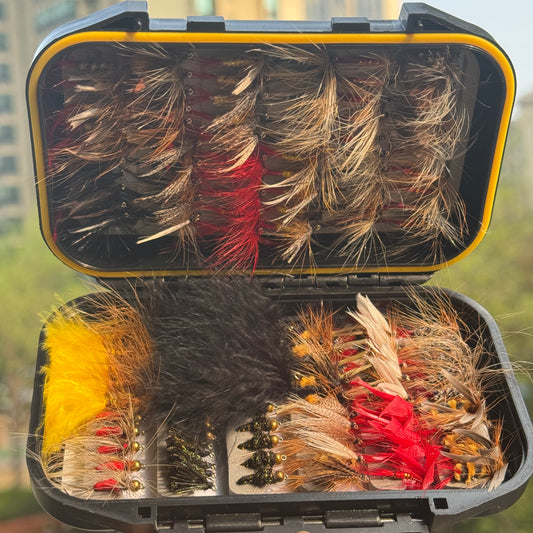
For beginner fly fishers, standing by a rushing river and opening a box filled with thousands of intricate flies is often overwhelming. The burning question on every angler's mind is always the same: Which fly should I use today?
Choosing the wrong pattern leads to a frustrating day of catching nothing, but mastering a few foundational principles changes everything. Here is a breakdown of a simple, field-tested system used to teach thousands of beginners: the "Right Fly Formula" and the hidden behavior of aquatic insects.
1. The Core Rule: The "Right Fly Formula"
If you know nothing about aquatic insects, don't panic. Start with a foolproof formula that ranks factors by strict order of importance: Size, Shape, and Color.
- Size: This is always the most critical factor. If your fly matches the natural bug's size, you are halfway home.
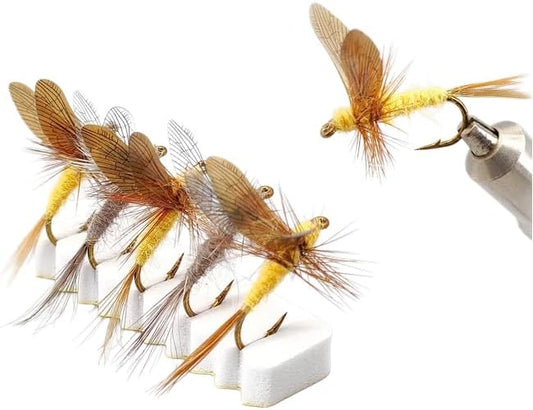
- Shape: Mimic the silhouette (such as tall upright wings or a long slender body).
- Color: Least important, though helpful.
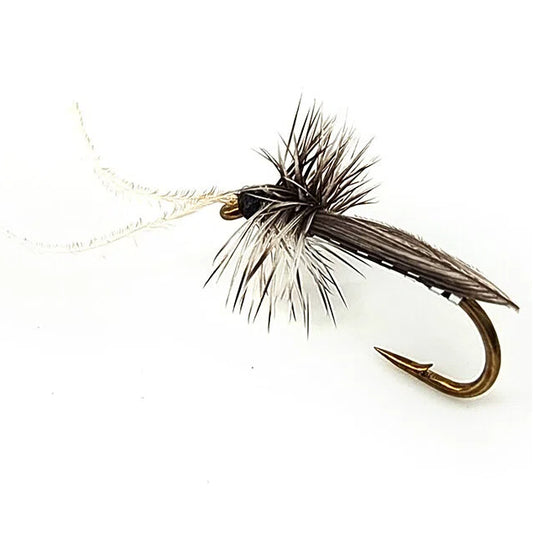
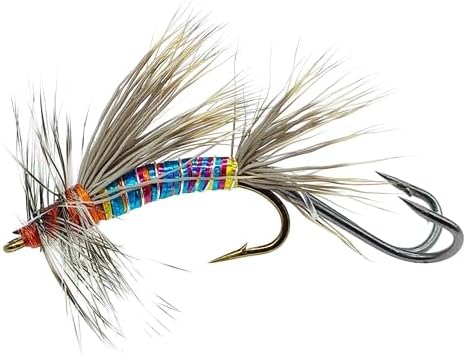
On-the-Water Example: Imagine a few bugs land on you by the river. You notice they are small, feature upright wings, long slender bodies, and tails, while fish are rising nearby. You open your box and look for a match—such as a Size 16 Parachute Adams. It matches the size, mimics the shape, and fits the color.
Pro Tip: If you don't have the exact color match (e.g., you only have a Size 16 Parachute Blue-Winged Olive), use it anyway. Size and shape trump color almost every time.
2. Level Up: The Insect Life Cycle
To catch more fish consistently, you need to understand how trout view their food. All aquatic insects go through a distinct life cycle:
- Nymph: The larval stage living at the river bottom.
- Emerger: The transitional stage as bugs try to shed their nymph shucks and dry their wings, often getting trapped in the water's surface film.
- Dun (Adult): The fully formed adult flying, mating, and laying eggs on the water.
Why This Matters: When insects transform from nymphs to emergers and adults, trout hyper-focus or "key in" on these events. Many anglers fail because they insist on casting dry adult flies when hungry trout are actually feeding exclusively just below the surface on emergers.
3. Read the Water: How to Decode "Rise Forms"
You don’t need a biology degree to figure out what the fish are eating; you just need to watch how they rise:
-
Eating Emergers: The rise is soft, subtle, and quiet. You usually only see a dorsal or tail fin break the surface, or sometimes just rings on the water.
- The Fix: Tie on an emerger or soft-hackle pattern.
-
Eating Adults (Dry Flies): The rise is quick, splashy, and aggressive. You will see the fish's nose punch clean through the surface.
- The Fix: Switch to a buoyant dry fly.
4. What to Do When Nothing is Hatching
If you arrive at the river and see no bugs or rising fish, the trout are likely feeding sub-surface on nymphs. While you can turn over rocks to check, general seasonal trends give you a massive head start:
- Midges: Hatch year-round.
- Mayflies: Hatch from late spring through October.
- Caddis: Hatch from early summer through October.
- Stoneflies: Hatch from late spring through mid-to-late summer.
A Killer Summer Rig: If you are unsure what to use in the middle of summer, try a reliable double-nymph rig: tie a Hare’s Ear (imitating a mayfly nymph) up top, with a Zebra Midge trailing below. Because these bugs are active during this season, this combination is a safe bet on almost any trout stream.
Final Thoughts
Selecting the right fly gets you in the game, but presentation seals the deal. Making your artificial fly drift naturally to mimic a real bug takes practice. Leave the heavy textbooks at home, pay close attention to what’s happening on the water, and enjoy every moment on the river!