Four Popular Techniques for Catching Freshwater Bass
In the United States, few fish command as much respect—or excitement—as the freshwater bass. Known collectively as “bass,” this family of hard-fighting, aggressive predators includes at least eleven recognized species, with the most famous being the largemouth bass (Micropterus salmoides) and smallmouth bass (Micropterus dolomieu). Revered as America’s premier game fish, bass are prized not just for their size and strength, but for their intelligence, territorial behavior, and explosive strikes.
Whether you’re fishing farm ponds in Texas, rocky reservoirs in Tennessee, or weedy lakes in Minnesota, understanding how to match your tactics to bass behavior can turn a slow day into a trophy haul. Here are four proven strategies—each rooted in bass biology and angler wisdom—that have stood the test of time across American waters.
1. Give Them What They Want: Live Bait Fishing (The “Wait-and-See” Approach)
Bass are opportunistic carnivores, and in their natural habitat, they primarily feed on live prey—small fish like shad, bluegill, or minnows. This makes live bait one of the most reliable methods, especially for beginners or during cold-water months when bass are less active.
When using live bait, presentation is everything. Hook a lively shiner or creek chub through the back or lip so it swims naturally. Use a heavy-action spinning or casting rod (6.5–7 feet) with minimal terminal tackle—often no float at all—to let the bait roam freely near cover. Bass often lie in ambush around submerged logs, lily pads, docks, or rock piles. Cast your bait close to these structures, let it sink, and be ready for a sudden, powerful strike.
Important tip: Never stay in one spot too long. Once you catch a bass from a specific location, move on. Bass are solitary hunters in many habitats, and overfishing one spot rarely produces repeated success.
2. Play to Their Curiosity: Lure Fishing (The “Active Presentation” Method)
This is the heart of modern bass fishing—and the foundation of the sport’s global popularity. Unlike passive bait fishing, lure fishing requires movement, rhythm, and interaction. Bass aren’t just hungry; they’re curious and territorial. A well-presented artificial lure that mimics a fleeing baitfish or crawfish can trigger a reaction strike even when the fish aren’t feeding.
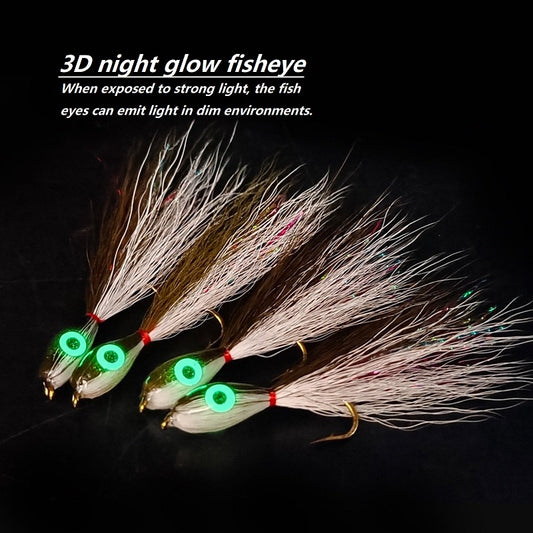
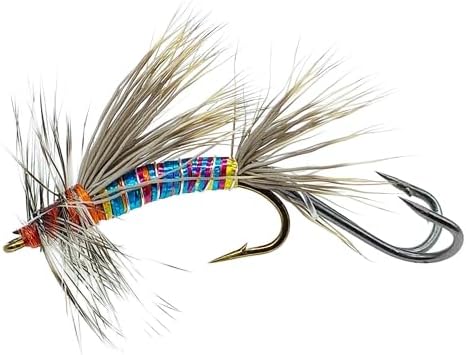
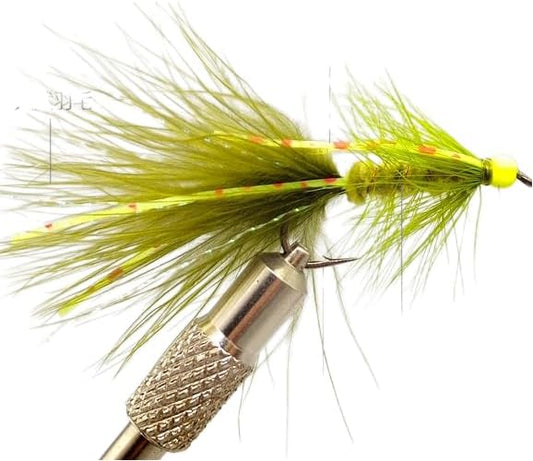
Popular lures include: - Crankbaits (for covering water and bumping structure) - Soft plastics (like worms, creature baits, and swimbaits rigged Texas- or Carolina-style) - Spinnerbaits (ideal for stained water or low-light conditions) - Topwater poppers or walking baits (for explosive surface strikes at dawn or dusk)
The key? Keep it moving. Retrieve your lure with twitches, pauses, or steady retrieves—whatever imitates life. And always target the edges of cover. Remember: bass relate to structure, not open water. Cast beyond the target, then work the lure through the strike zone.
3. Appeal to Their Instincts: Pre-Spawn & Spawn Season Tactics (The “Color & Vibration” Strategy)
Spring is prime time for bass fishing in most of the U.S. As water temperatures rise (typically 50–65°F), bass migrate toward shallow flats to spawn. During this period, they become highly aggressive, protective, and visually oriented.
This is when bright, contrasting lures shine—literally. Chartreuse, white, red, and black/blue combinations stand out in shallow water. Try: - Shallow-diving crankbaits - Jerkbaits with erratic action - Wacky-rigged senkos that flutter slowly downward
Fish slowly along transition zones—where deep water meets spawning flats. Male bass guard nests fiercely, and will attack anything that threatens their eggs. Even if they don’t eat, they’ll strike out of instinct. This makes spring one of the most consistent—and visual—times to catch bass.
4. Trigger Their Aggression: Reaction & Sight-Fishing (The “Elite Angler’s Edge”)
The most advanced bass tactic isn’t about hunger—it’s about provocation. Skilled anglers know how to annoy a bass into striking.
Two scenarios make this possible: - Post-frontal conditions, when bass are sluggish but still territorial. - Sight-fishing during spawn, where you can see a bass guarding a bed.
In these cases, use bold, intrusive presentations: - Heavy jig-and-pig combos dragged through grass or rocks - Lipless crankbaits ripped through shallow cover - Topwater frogs skipped under overhanging bushes
For sight-fishing, drop a subtle lure (like a finesse worm or tiny tube) near the fish’s head and twitch it gently. The bass may not be hungry—but it won’t tolerate an intruder near its nest. One swipe, and you’re hooked.
This method demands patience, precision, and stealth. It’s why tournament pros consider it the ultimate test of skill—and why mastering it separates weekend anglers from true bass masters.
A Quick Guide to Common U.S. Bass Species
| Species | Avg. Size | Key Traits | Best Waters | |--------|----------|-----------|-------------| | Largemouth Bass | 1–5 lbs (up to 22 lbs!) | Ambush predator, loves weeds & docks | Lakes, ponds, slow rivers nationwide | | Smallmouth Bass | 1–4 lbs | Rocky habitat lover, acrobatic fighter | Great Lakes, Ozarks, Northeast streams | | Spotted (Kentucky) Bass | 1–3 lbs | Hybrid-like behavior, schooling tendencies | Southern reservoirs, Tennessee River system | | Guadalupe Bass | <2 lbs | Endemic to Texas Hill Country | Clear, fast-flowing streams in central TX | | Redeye & Shoal Bass | 1–2 lbs | Stream specialists, wary & strong | Chattahoochee River (GA/AL), Apalachicola system |
(Note: Rock bass and other “bass-like” sunfish are often grouped colloquially but belong to a different genus.)
Final Thought
Bass fishing in America is more than a pastime—it’s a culture. From backyard ponds to professional tournaments on Lake Okeechobee or Lake Fork, the pursuit of bass blends science, art, and instinct. Whether you’re flipping a jig into a cypress knee or watching a topwater explosion at sunset, one truth remains: bass don’t just bite—they attack. And that’s why we keep coming back.
So grab your rod, study the water, and remember: the best bass anglers don’t just fish—they think like a bass.