Mastering the Art of Tenkara: A Complete Guide to Fishing Kebari Flies in Every Stream Scenario
Traditional Western fly fishing often requires you to match the exact insect hatch with complex gear. Tenkara, the centuries-old minimalist fly fishing method born in the mountain streams of Japan, takes a beautifully simple alternative approach.
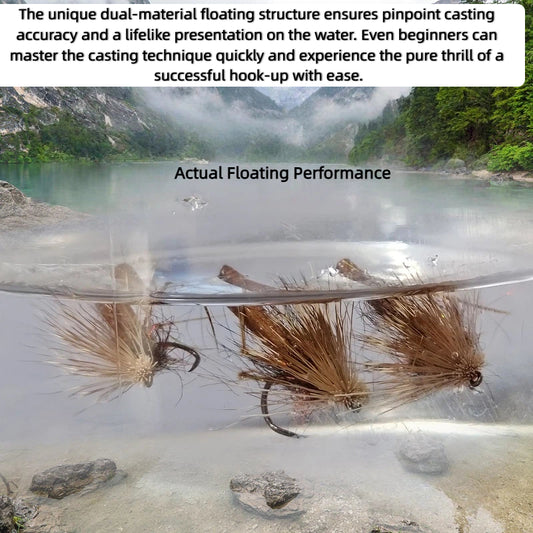
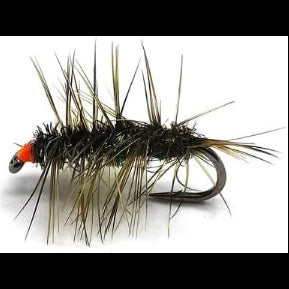
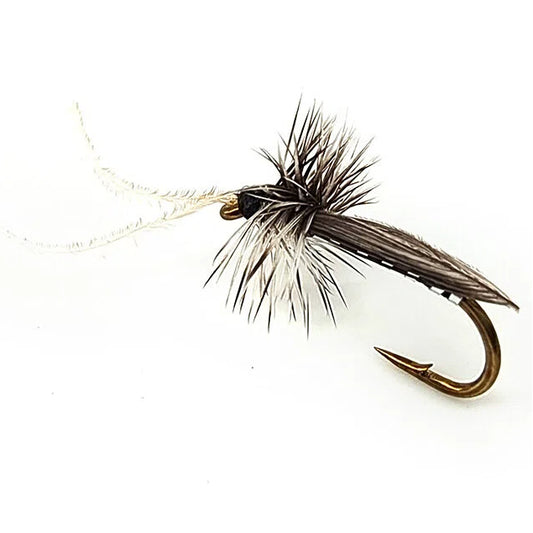
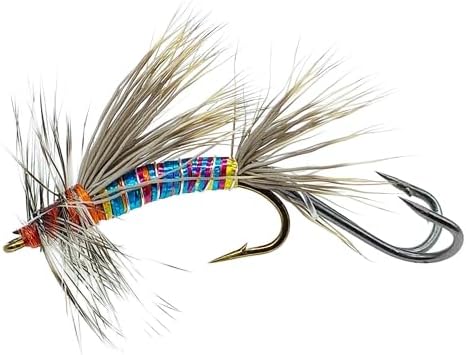
At the heart of this discipline is the Kebari (Tenkara Fly). Famous for its forward-facing reverse-hackle design, the Kebari doesn't just passively drift; it comes alive through the angler's manipulation. Because its feathers flare open and close against the water current, it mimics a breathing, pulsing organism that trout simply cannot resist.
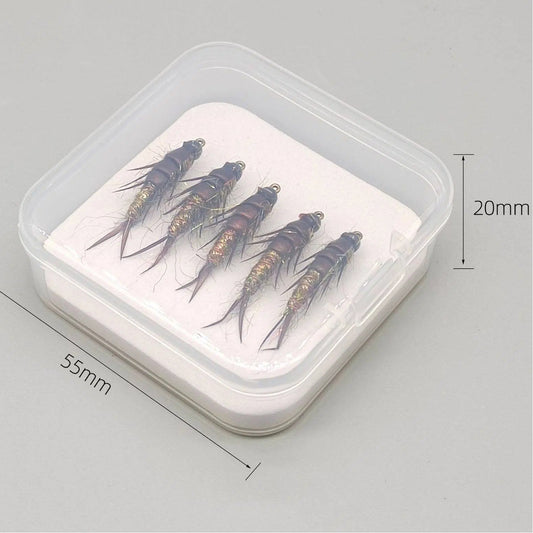
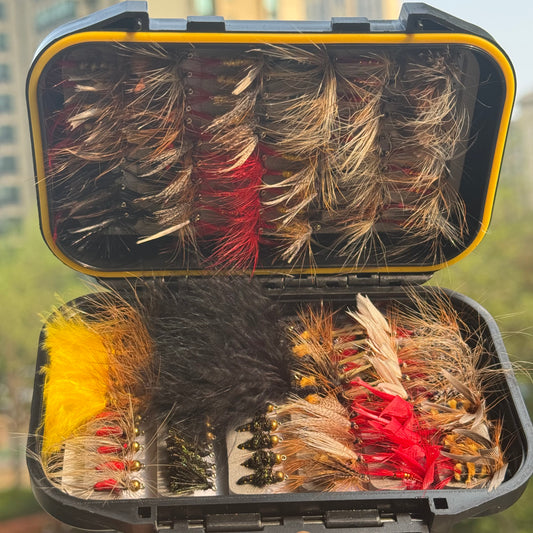
However, to truly unlock the power of a Tenkara fly, you must understand how to present it. Here is your ultimate tactical guide on how to fish Tenkara flies across different water scenarios using the DZ Angling Premium Tenkara Fly Set.
Scenario 1: Plunge Pools and Pocket Water (Mountain Streams)
The Water Structure:
Fast, turbulent water cascading over rocks into deep, oxygen-rich pockets. Trout hide right behind the boulders or at the bottom of the pool, waiting for a quick meal to wash down.
The Tactical Approach: The "Hold and Pulse" Technique
-
The Cast: Cast your Kebari directly into the white water or right at the seam where fast water meets slow water.
-
The Manipulation: Keep your rod tip high to lift your Tenkara line completely off the water. Only your leader and the fly should touch the surface.
-
The Action: Hold the fly in the eddy. Gently lift and lower your rod tip by just an inch or two (a subtle "pulsing" motion). This rhythmically opens and closes the reverse hackle, making the fly look like a struggling insect trying to swim against the heavy current.
-
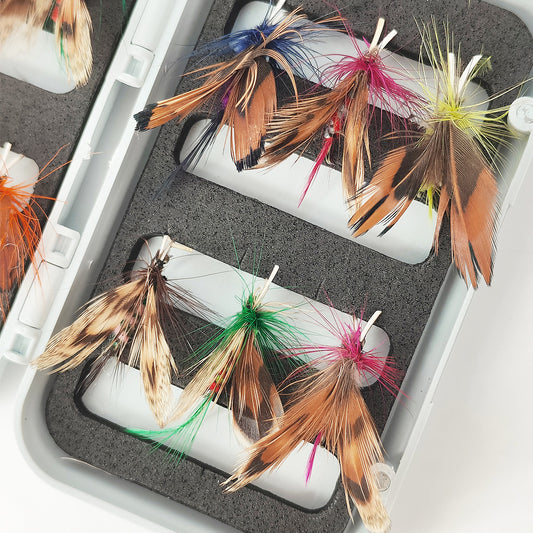
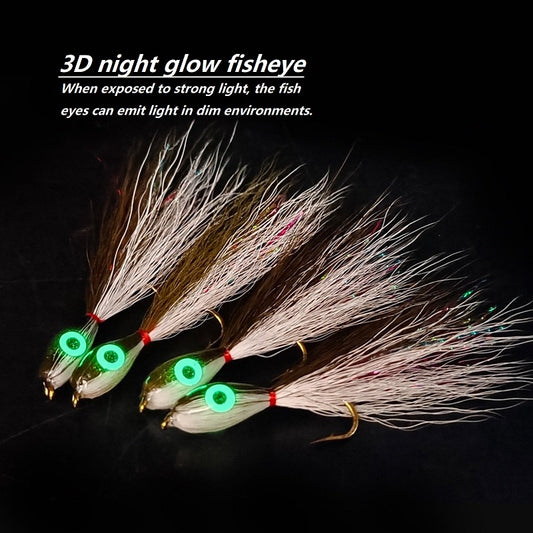
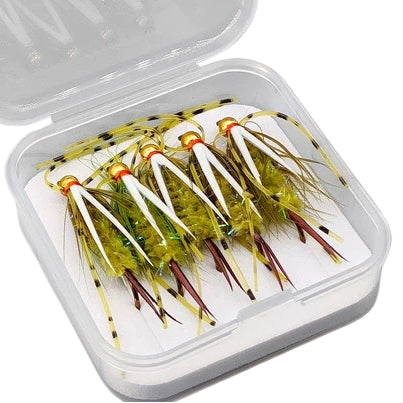
Why it works: In fast water, trout have micro-seconds to decide whether to eat. The high visibility and dynamic motion of our Bright Green Peacock Kebari will trigger an instant, aggressive reaction strike.
Scenario 2: Riffles and Shallow Runs (The Bread and Butter)
The Water Structure:
Chippy, bumpy water running over a gravel bottom, usually 1 to 3 feet deep. Food is constantly moving here, and trout are actively feeding.
The Tactical Approach: The "Natural Dead Drift" with a Twist
-
The Cast: Cast upstream or quartering upstream at a 45-degree angle.
-
The Manipulation: Let the current carry the fly naturally downstream at the same speed as the bubbles on the surface. Follow the drift seamlessly with your rod tip.
-
The Twist: Just before the line tightens at the end of the drift, give the rod a tiny twitch, or let the fly swing up toward the surface like a hatching pupa.
-
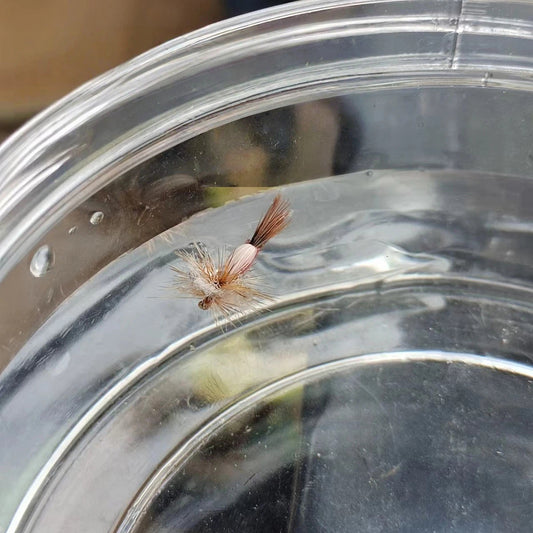
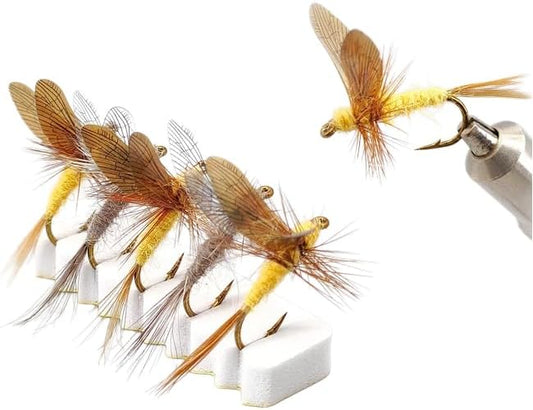
Why it works: Our Mid-Toned Brown Hackle Kebari perfectly mimics a tumbling mayfly or caddis nymph in this scenario. The sudden upward swing at the end simulates an escaping insect, which frequently causes a trout to chase and inhale the fly.
Scenario 3: Flat Water and Slow, Glassy Pools
The Water Structure:
Calm, slow-moving pools where the water surface is flat as glass. Trout here have plenty of time to inspect your offering and are highly easily spooked.
The Tactical Approach: The "Stealth Pause and Drop"
-
The Cast: Crouch low to stay out of the fish's line of sight. Cast a long, delicate line, allowing only the fly to settle quietly on the water.
-
The Manipulation: Do not over-manipulate. In glassy water, aggressive twitching will scare the fish away. Let the fly slowly sink on a slack line.
-
The Action: Watch your line closely. If you see the line twitch or hesitate, set the hook instantly. If no strike occurs after a few seconds, lift the fly smoothly and pulse it just once before recasting.
-
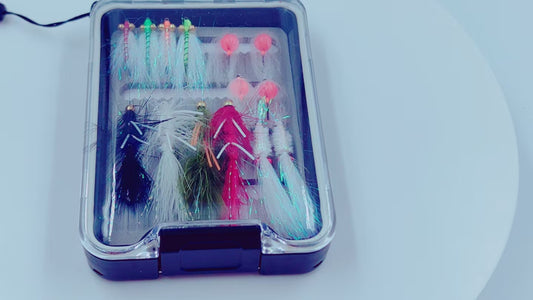
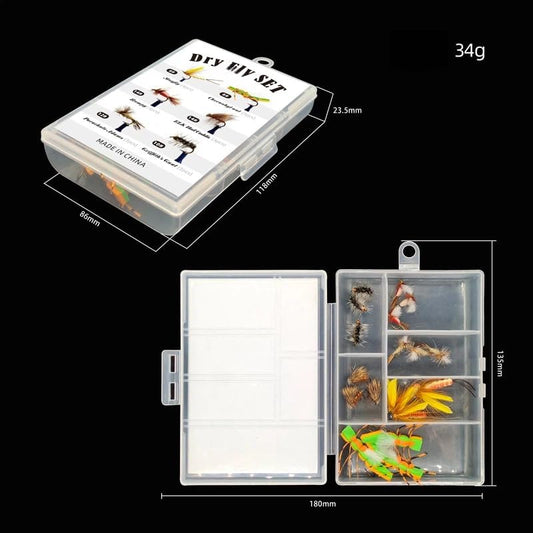
Why it works: In clear, slow water, less is more. The minimalist design of our Ultra-Light Minimalist Kebari (Top Row) relies on its delicate silhouette. It looks natural and unthreatening, tricking even the wisest, most selective trout.
Pro-Tips for Tuning Your DZ Angling Kebari
-
Controlling Sink Rate: Traditional Kebari flies are unweighted. If you need to fish deeper pools, soak your fly in water beforehand and squeeze out the air bubbles to help it sink faster. If you want to fish the surface film, keep the hackle dry.
-
Color Selection Rule of Thumb: * Use High-Contrast Dark/Red patterns on overcast days or in stained water.
-
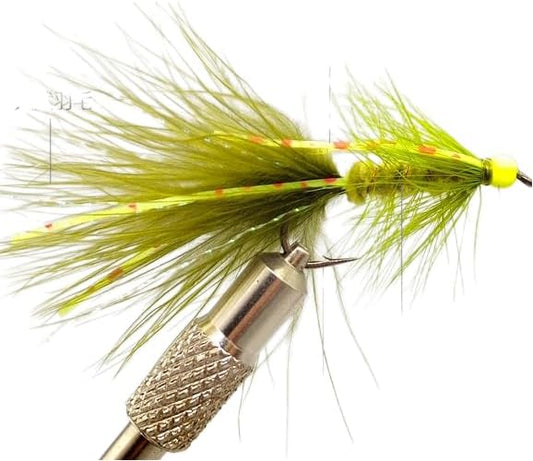
Use Vibrant Green to mimic caddis larvae or when you need a bright attractor to search aggressive fish.
-
Use Natural Browns/Grays in clear water and bright sunny conditions.
-