Small but Mighty: How to Match the Hatch with Midges
Aquatic insects make up a massive part of a fish’s diet. Because they spend the vast majority of their lives in or on the water, understanding these bugs is the secret to netting more fish. While most fly anglers obsess over mayflies, caddisflies, and stoneflies, there is a fourth group that is often overlooked—yet it is arguably the most important: Midges.
Despite their tiny size, midges are incredibly abundant. In some watersheds, they can make up as much as half of a trout’s total diet. If you want to consistently catch fish, especially highly pressured trout, you need to understand how to match the midge hatch.

|
 |
 |
 |
Understanding the Midge
To fool a fish, you first have to know what you are trying to imitate.
The Larva: This stage is super small and worm-like. While some lake species can get quite large, most river midge larvae are imitated using fly sizes ranging from 16 to 28.
The Adult: Adult midges look similar to mosquitoes but are smaller and non-biting. They are predominantly black or brown, though you can sometimes find them in cream or olive. They feature slender, slightly tapered bodies, a single pair of wings tucked along their backs, fuzzy antennae, and—crucially—no tail.
The Life Cycle and Timing
Midges go through three distinct lifecycle stages: Larva, Pupa, and Adult.
-
The Larva looks like a little worm.
- The Pupa is shorter and thicker. This is a critical stage for fly anglers because pupae shoot up and down through the water column. When they get stuck in the surface film during emergence, they become an incredibly easy target for hungry fish.
- The Adult emerges from the pupal shuck, rests briefly on the water's surface, flies off to mate in swarms, and then returns to the water to lay eggs before dying.
When do they hatch? The short answer is: year-round. Because midges are often the most abundant food source in a river, they are always available. However, their hatching behavior changes with the seasons. In the winter, they hatch during the warmest part of the day. In warmer seasons, they prefer low-light conditions, hatching early in the morning or late in the evening.
Filling Your Midge Box
Because midges are so small, having the right patterns is essential. Here are the top recommendations for your fly box:
- For Larvae and Pupae (Subsurface): Nymphs like the Zebra Midge, Demon Midge, WD-40, and Rainbow Warrior. These should be fished deep or in the surface film.
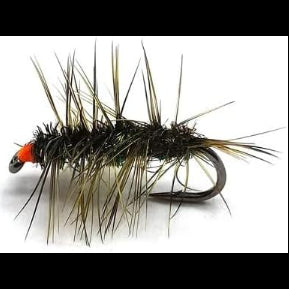
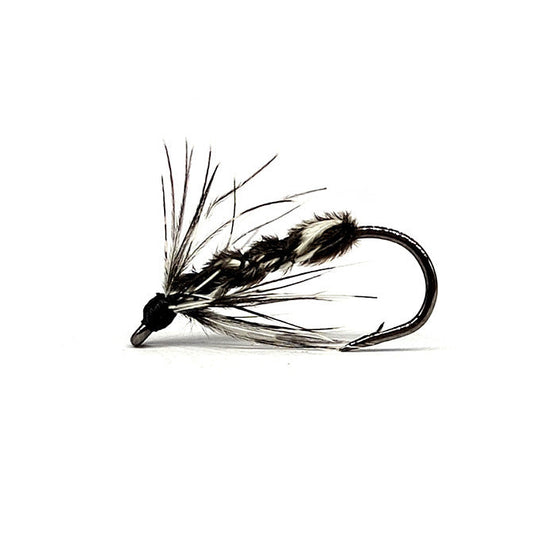
- For Surface Adults (Dry Flies): Patterns like the Griffith's Gnat, Matt Midge, RS2, smaller Parachute Adams, and the Mother Shucker.
On-the-Water Application
Knowing the bugs is only half the battle; the other half is presentation. Let's look at how to apply this on the river during an active midge hatch.
1. Reading the Water
Seeing rising fish is your first clue, but look closer. If you see tiny black bugs on the water's surface and insects buzzing in the air, the fish have switched their focus to adult midges.
2. Size and Color Matching
On tailwaters (rivers below a dam), trout get highly educated and can be extremely picky about pattern and presentation. You need to match the size and color precisely. A highly effective rig is a dry-dropper setup: tie on a Matt Midge (Size 18) to match the proportions, shape, and color of the adult on the surface, and drop a Zebra Midge (Size 20) underneath as a nymph to mimic the emerging pupa.
3. Casting Strategy
As an experienced guide will always tell you: Always target closer fish first. If you try to bomb a long cast over nearby fish to reach a distant riser, you risk spooking the close ones. A spooked fish will dart away and startle the rest of the pool, ruining your chances. Work the water methodically from the inside out.
4. The Hook Set
Matching the hatch with midges requires patience. Because the bugs are so small and the takes can be subtle, it is incredibly easy to set the hook too early—a common mistake. Wait until you see the fish actually take the fly and turn its head.
The Takeaway
Fishing midges might lack the visual drama of a large stonefly hatch, but it is incredibly rewarding. By mastering small patterns, paying attention to the time of day, and perfecting your drift with precise size and color matching, you can fool even the most wary brown trout in the toughest tailwaters.