The Ultimate 12-Fly Universal Trout Box: A Masterclass in Entomological Mimicry & Global Adaptability
Walking into a commercial fly shop can be an overwhelming experience. With thousands of intricate patterns, specialized tiers, and regional variations lining the walls, anglers often find themselves paralyzed by choice. However, master anglers know that trout behavior across diverse geographical landscapes—from the classic freestone streams of the Catskills and the technical freestones of Montana, Idaho, and Wyoming, to the rugged mountain creeks of Vermont and even destination tailwaters in Patagonia like Magic Waters Lodge in Chile—shares universal fundamentals.
Curated from field-tested insights and extensive global deployment, this definitive 12-fly selection strips away the noise. Designed around universal entomological triggers, these patterns represent the ultimate minimalist travel box capable of conquering trout waters anywhere in the world.
I. Sub-Surface Imitations: Nymphs (The Foundation of the Water Column)

Over 80–90% of a trout's annual caloric intake occurs beneath the surface. To successfully prospect the water column, your nymph selection must balance tungsten weight, realistic profile, and trigger friction.
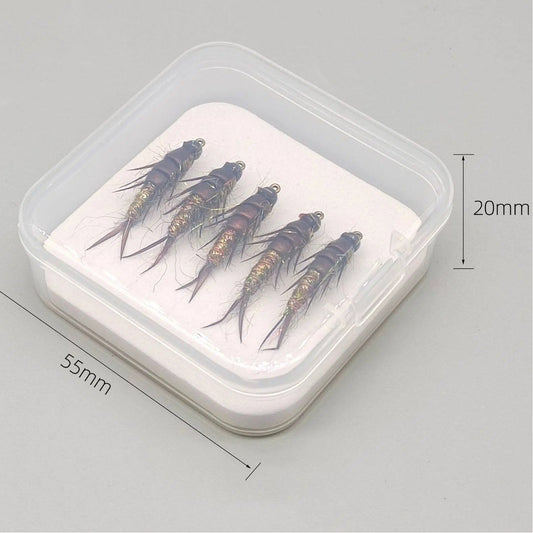
1. The Frenchie Jig Nymph
- Key Features: Slot-bead, heavy jig hook, pheasant tail & hare's ear dubbing with micro-flash tinsel.
- Entomological & Field Application: Tied on a barbless jig hook with a heavy slotted tungsten bead, the Frenchie rides hook-point-up, virtually eliminating bottom snags while tumbling naturally along the substrate. It masterfully combines the subtle translucency of natural pheasant tail fibers with the buggy, light-trapping halo of hare's ear dubbing. It serves as an unmatched anchor fly in European nymphing rigs.
2. The Zebra Midge
- Key Features: Ultra-slender profile, silver wire ribbing, monochromatic epoxy or thread body.
- Entomological & Field Application: When winter or early spring water temperatures suppress active feeding, midges dominate the drift. The Zebra Midge is a masterclass in minimalism, serving as an effective generalist imitation for tiny emerging mayflies, midges, or small stoneflies when selective fish refuse larger offerings.
3. The Classic Pheasant Tail Nymph
- Key Features: Unweighted, slender silhouette, natural quill body.
- Entomological & Field Application: A timeless icon of traditional fly fishing. Unlike bead-head variations, unweighted pheasant tails drift with delicate realism in slow-to-moderate currents, perfectly mimicking small, unweighted mayfly and stonefly nymphs struggling in the current seam.
4. The Bead-Head Prince Nymph
- Key Features: Goose biots, peacock herl, brown hackle fibers, heavy brass/tungsten bead.
- Entomological & Field Application: An anomaly in entomology—it mimics no specific insect in nature yet triggers aggressive strike responses across every continent. The iridescent peacock herl combined with contrasting white goose biots creates an unmistakable visual trigger that incites territorial and predatory feeding reactions.
5. The Hare's Ear Nymph
- Key Features: Spiky natural guard hairs, gold ribbing, optional bead head.
- Entomological & Field Application: The ultimate generalist search pattern. The spiky texture traps micro-bubbles of air underwater, creating a lifelike breathing effect that imitates large mayflies, stoneflies, or active caddis larvae scrambling across the riverbed.
6. The Rubber-Legs Stonefly (Girdle Bug / Pat's Rubber Legs)
- Key Features: Heavy forward weight, chenille body, dynamic silicone rubber legs.
- Entomological & Field Application: When targeting trophy trout holding in deep, heavy pocket water, you need mass and movement. This heavy, rubber-legged profile imitates massive crawling stoneflies or freshwater crayfish, pulsating erratically in turbulent currents to draw fish up from the deep.
II. Predatory Presentations: Streamers (Targeting Apex Ambushers)

Explore the streamer collection
When high water, aggressive pre-spawn behavior, or large predatory brown trout demand active presentation, streamers bridge the gap between subtle feeding and aggressive predation.
7. The Bead-Head / Cone-Head Woolly Bugger
- Key Features: Marabou tail, Palmered hackle, weighted brass, tungsten, or cone head.
- Entomological & Field Application: Widely regarded as the most versatile fly ever invented. Fished across freshwater rivers for trout and bass, or swung in estuaries for saltwater species, the breathing undulation of marabou combined with forward sinking weight makes it a deadly universal search pattern in dark or stained water.
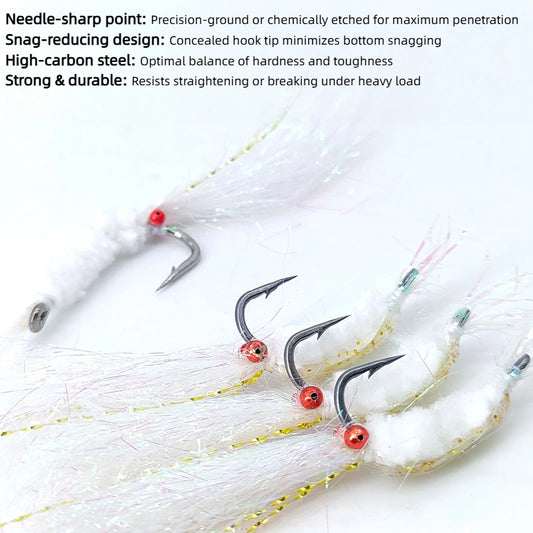
8. The White Zonker
- Key Features: Strip rabbit hide, flash accent, articulated or weighted hook.
- Entomological & Field Application: When dark silhouettes fail under bright sky conditions, the White Zonker provides high-contrast visibility. The natural rabbit strip undulates with incredible life-like fluidity even on a dead drift or slow strip, perfectly imitating an injured baitfish or sculpin.
III. Surface Mastery: Dry Flies & Terrestrials (Visual Feeding Triggers)
 Explore dry flies collection
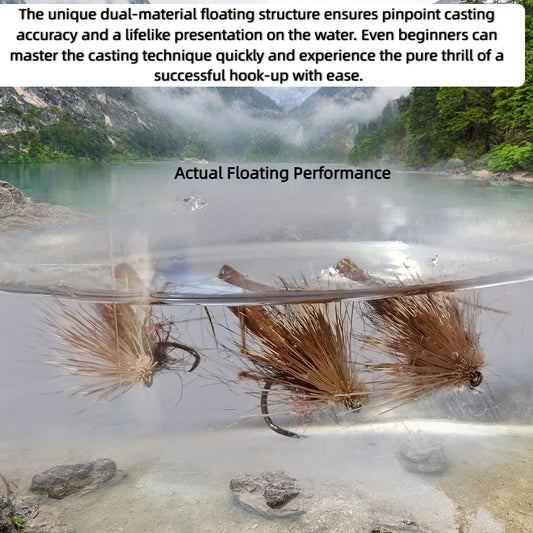
Surface presentations demand high buoyancy, accurate micro-silhouette replication, and supreme flotation capacity—especially when rigging complex multi-fly setups.
9. The Chubby Chernobyl
- Key Features: High-density foam body, poly-yarn high-visibility wing, rubber legs.
- Entomological & Field Application: An indispensable high-floatant surface masterpiece. Its dense foam body and synthetic wing make it unsinkable, serving double duty as a supreme terrestrial imitation (grasshopper, stonefly, cricket) and as an unyielding indicator fly for heavy dry-dropper rigs.
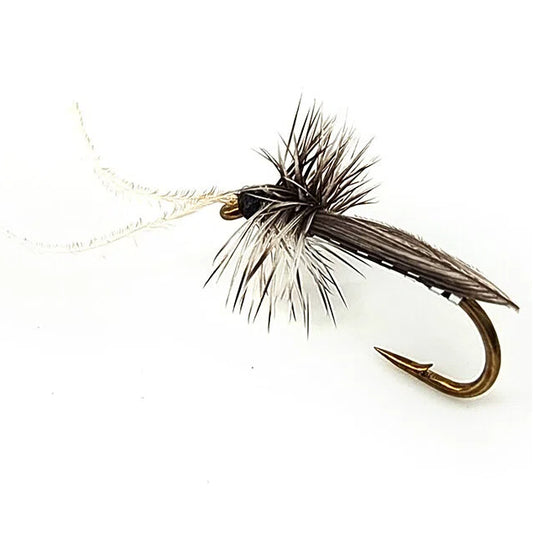
10. The Parachute Adams
- Key Features: Parachute post, mixed hackle, grey dubbing body.
- Entomological & Field Application: The undisputed king of dry flies. The horizontal parachute hackle ensures the fly lands delicately upright in micro-currents, perfectly matching complex mayfly and caddis emergences across almost every major watershed on earth.
11. The Elk Hair Caddis
- Key Features: Spun elk hair wing, palmered hackle, dubbing body.
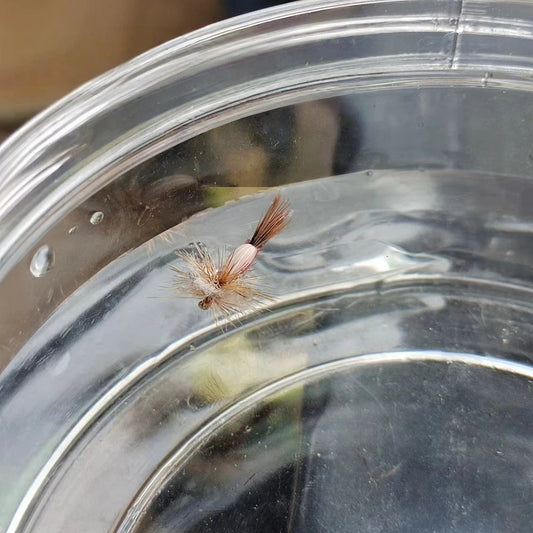
- Entomological & Field Application: Engineered with a low-profile, tent-like wing that mirrors natural caddisflies resting with their wings folded along the abdomen. It excels in choppy riffles and acts as an aggressive attractor pattern when surface activity is sparse.
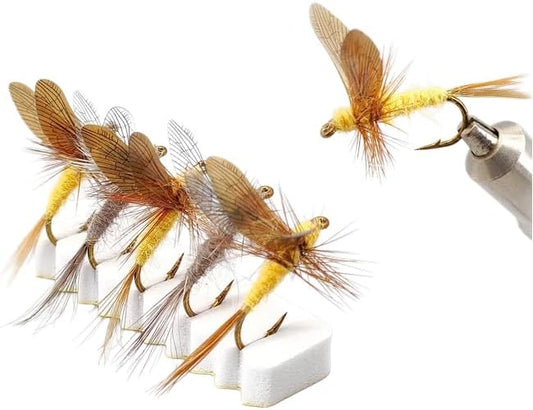
12. The Blue-Winged Olive (BWO) Parachute / Emerger (Size 18)
- Key Features: Micro-profile, delicate hackle, dun olive body, size 18 precision hook.
- Entomological & Field Application: No global fly box is complete without a micro-mayfly imitation. On overcast days, drizzly afternoons, or tailwater runs, selective rising trout keyed in on tiny size 18 BWOs will ignore everything else. This precise imitation seals the deal in technical feeding lanes.