Tungsten Beads vs. Brass Beads: Why Tungsten is a Game Changer for Your Nymphs
When you open a fly box, every detail matters. From the choice of hackle to the weight of the head, these subtle decisions dictate whether you get skunked or land your personal best.
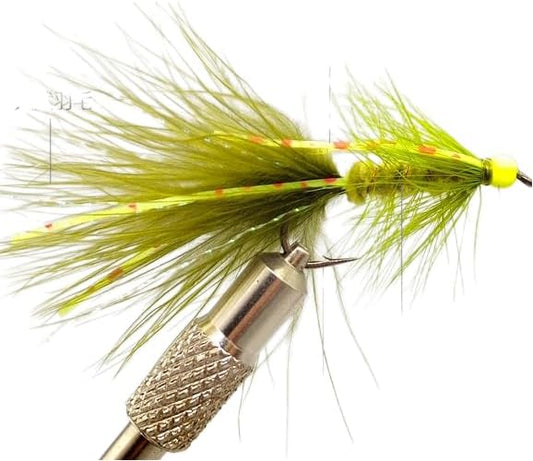
When it comes to bead-head nymphs, one material reigns supreme for serious anglers: Tungsten.
While traditional brass beads have been a staple in fly tying for decades, upgrading to tungsten beads offers distinct, undeniable performance advantages on the water. Here is why tungsten is well worth the investment.
1. Unmatched Density and Faster Sink Rates
The single greatest advantage of tungsten is its weight. Tungsten is approximately 1.7 times denser than brass.
- The Water Advantage: Because tungsten is significantly heavier, a tungsten bead sinks much faster than a brass bead of the exact same size. In fast-flowing pocket water, deep runs, or high-gradient streams, your fly needs to plunge into the "strike zone" (right near the riverbed where fish feed 90% of the time) instantly. Tungsten gets your nymph down where the fish are before the current sweeps it away.
2. Sleeker Profile for Maximum Realism
To achieve a heavy sink rate with brass, you often have to upsize the bead. However, a giant, bulky brass head can look unnatural and create water resistance.
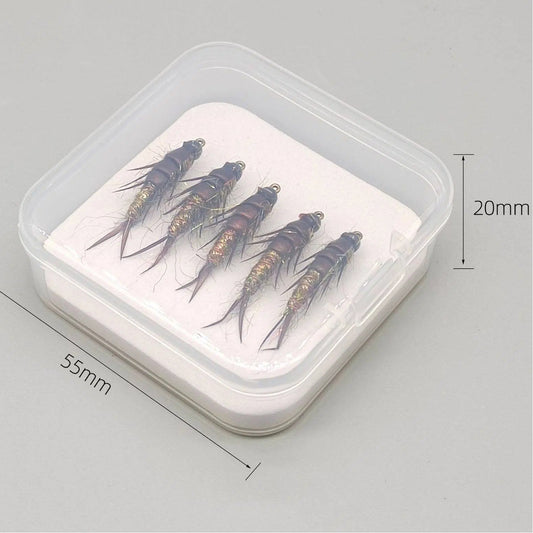
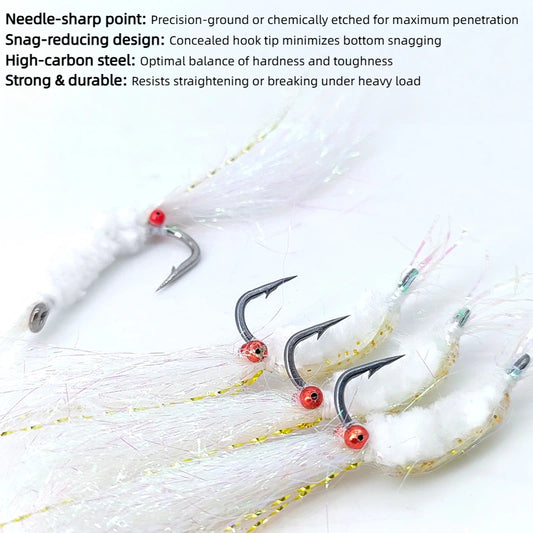
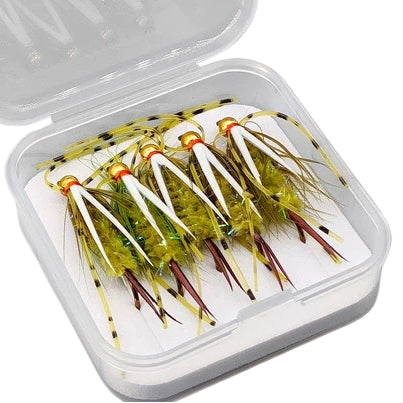
- The Water Advantage: Tungsten allows you to achieve the heavy weight you need in a much smaller profile. This is especially crucial when tying smaller, micro-nymphs (like sizes 16#, 18#, or smaller). A tiny tungsten bead gives you the necessary sinking power without ruining the slender, delicate silhouette of a natural mayfly or caddis larva.
3. Fewer Split Shots Needed
Constantly pinning split shots onto your leader to get your flies down can lead to tangled lines, awkward casting, and damage to your tippet.
- The Water Advantage: Because tungsten beads pack so much weight into a compact space, you can often eliminate split shots entirely. This results in a cleaner, smoother casting presentation that spooks fewer fish in clear, pressured waters.
4. Exceptional Durability
Riverbeds are full of abrasive rocks, boulders, and toothy fish.
- The Water Advantage: Tungsten is an exceptionally hard metal. Unlike softer metals that can chip, scratch, or deform when banged against rocks during a missed cast, tungsten beads maintain their flawless finish and structural integrity fish after fish.
The Verdict: Should You Make the Switch?
While brass beads remain a budget-friendly option for lightly weighted wet flies or shallow, slow-moving streams, tungsten beads are the gold standard for technical, high-performance fly fishing.